
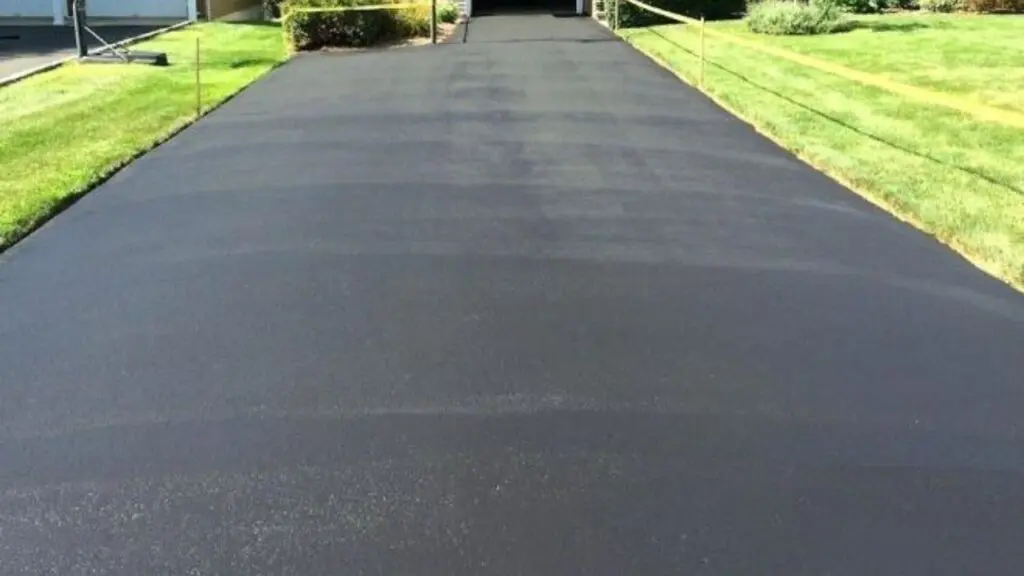
Best Way to Clean Tarmac Driveways Without Causing Damage
A tarmac driveway can make a strong first impression, but over time it naturally starts to collect dirt, moss, algae, oil stains, and general weathering. The challenge is not just cleaning it, but cleaning it properly without damaging the surface.
Tarmac is more delicate than block paving or concrete, so using the wrong methods can lead to surface breakdown, fading, or loose aggregate. In this blog, we’ll explain the safest and most effective way to restore a tarmac driveway while protecting its lifespan.
Understanding Tarmac Surfaces Before Cleaning
Tarmac is made from aggregate bound together with bitumen. While durable, it can soften in heat and become vulnerable to harsh chemicals or high-pressure water.
This is why many homeowners accidentally cause damage when attempting DIY cleaning. The goal is not just to remove dirt, but to preserve the binding structure of the surface.
Common Problems Found on Tarmac Driveways
Before cleaning, it helps to understand what you’re dealing with:
- Moss and algae growth in shaded areas
- Oil stains from vehicles
- General dirt build-up from weather and traffic
- Faded or grey appearance due to UV exposure
- Loose surface aggregate in older driveways
Each of these issues requires a slightly different approach for safe removal.
The Safest Way to Clean a Tarmac Driveway
The best method always starts with a gentle approach and increases only if necessary.
- Start with a Dry Clean
Begin by sweeping the surface thoroughly to remove loose debris, leaves, and grit. This prevents scratching during washing.
A stiff broom works best, but avoid metal brushes that may disturb the surface.
- Use Low-Pressure Washing Only
A common mistake is using high-pressure washers too aggressively. This can strip away the top layer of tarmac and cause long-term damage.
Instead:
- Use a fan setting on low pressure
- Keep the nozzle at a safe distance
- Avoid focusing on one spot for too long
This helps lift dirt without weakening the surface.
- Apply a Suitable Cleaning Solution
For stains and biological growth, a mild, surface-safe cleaner is ideal. Avoid strong acids or bleach-heavy products, as these can degrade the bitumen binder.
For persistent moss or algae, a specialist approach used by professional teams offering tarmac cleaning services ensures safe and effective removal without harming the driveway structure.
- Treat Oil Stains Separately
Oil stains should be treated before or after washing depending on severity.
- Use absorbent materials for fresh spills
- Apply degreasing solutions for older stains
- Repeat gently rather than scrubbing aggressively
When Professional Cleaning Is the Better Option
Not all driveways should be cleaned DIY, especially older or heavily weathered surfaces. In many cases, calling professionals who specialise in tarmac cleaning is the safest and most cost-effective solution.
Experts use controlled pressure systems and industry-approved cleaning methods that restore appearance without surface damage.
Restoring Colour and Protection After Cleaning
Once a driveway is cleaned, it often looks lighter or slightly faded. This is normal, as dirt and oxidation layers are removed.
At this stage, many homeowners choose protective restoration options such as sealing or surface recolouring.
Some companies also offer tarmac painting services, which help restore a deep black finish while adding an extra protective layer against weathering and stains.
Preventing Future Damage and Build-Up
Keeping your driveway clean for longer is just as important as the cleaning itself. A few simple habits help:
- Regular sweeping to prevent moss growth
- Prompt oil stain removal
- Avoiding harsh chemicals or acids
- Occasional professional maintenance
Good exterior upkeep often goes hand in hand with other property maintenance services. Many homeowners who invest in driveway care also work with a roof cleaning company or rely on local roof cleaners to prevent debris, moss, and runoff from affecting their driveway surfaces.
Why Professional Help Makes a Difference
While DIY cleaning can handle light dirt, professional services ensure:
- No surface damage
- Even and consistent cleaning results
- Longer-lasting protection
- Proper treatment of stains and organic growth
Experienced contractors understand how to balance pressure, cleaning agents, and technique for the safest results.
Final Thoughts
Cleaning a tarmac driveway without causing damage comes down to using the right methods, the right pressure, and the right products. Harsh cleaning techniques may give quick results, but they often shorten the lifespan of the surface.
A careful, structured approach or support from experienced professionals ensures your driveway stays clean, strong, and visually appealing for years to come.
For homeowners looking to maintain kerb appeal, investing in proper maintenance and occasional professional cleaning is always the most reliable long-term solution.
Call Now