
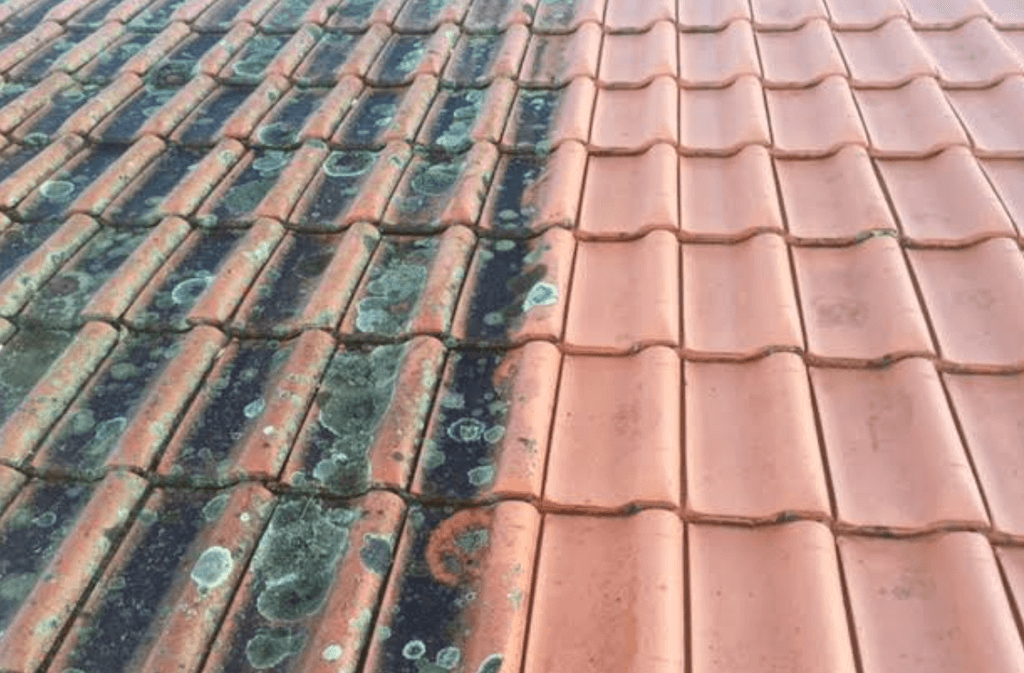
What Causes Roof Mould Growth and How Can You Prevent It?
Few things make a well-kept home look tired faster than a roof covered in dark streaks, green patches and fuzzy growth. Many of the homeowners who call us across Hertfordshire, Bedfordshire, Buckinghamshire and North London describe it simply as roof mold, or mould as we usually spell it here in the UK. Some have also noticed a musty smell or black spots on the timbers in their loft and want to know whether the two problems are connected.
They often are. Both come down to the same thing: moisture that sits on or inside your roof for too long. In this blog, we explain what roof mold really is, what causes it inside and outside your home, the warning signs to look for, and the practical steps that stop it coming back.
The Quick Answer
Roof mould grows wherever moisture, shade and organic material meet. On the outside of the roof, the dark staining people call mould is usually algae, moss and lichen, encouraged by shade, overhanging trees, blocked gutters and porous tiles. Inside the loft, true mould is usually caused by condensation from poor ventilation. You prevent it by keeping the roof dry and clean, treating it with a professional biocide, sealing suitable tiles, clearing gutters, cutting back trees and making sure the loft can breathe.
Mould, Algae, Moss or Lichen? What You Are Actually Looking At
Before you can prevent roof growth, it helps to know what you are dealing with. The word mould gets used for almost anything dark or fuzzy on a roof, but there are four main types of growth, and each behaves differently.
| Type of growth |
What it looks like | Where you usually find it | How much harm it causes |
|---|---|---|---|
| Algae | Black or dark green streaks running down the tiles | Shaded slopes and below ridges | Mostly cosmetic, but it keeps tiles damp and feeds other growth |
| Moss | Green or brown cushions and clumps | Between tiles, on ridges, in valleys and gutters | High, as it holds water, lifts tiles and blocks drainage |
| Lichen | Crusty grey, yellow or black spots stuck flat to the surface | Older tiles and slate, often in sunnier spots too | Moderate, as it bonds tightly and can roughen the tile surface |
| True mould | Black, grey or white fuzzy patches | Inside the loft on timbers, felt and the underside of the roof | Can damage timber and affect air quality inside the home |
On the outside of most UK homes, the streaks people call mould are usually algae. Inside the loft, black spotting on rafters and roof boards is usually true mould. Treating the right problem in the right place is the key to getting rid of it for good.
What Causes Growth on the Outside of Your Roof?
Moisture that never dries out
Every type of roof growth needs water. A roof that dries quickly after rain gives spores very little chance to settle. A roof that stays damp for days at a time is the perfect place for algae, moss and mould to take hold. The UK climate, with its mild temperatures and regular rainfall, means many roofs stay damp for much of the year.
Shade and the direction your roof faces
Roof slopes that face north, or sit in the shadow of trees, chimneys or neighbouring buildings, receive far less direct sunlight. They stay wetter for longer after every shower, and they are almost always the first to turn green or black. We explain this in detail in our article on why north facing and shaded roofs get more moss.
Overhanging trees and leaf litter
Trees cast shade, drip water onto the roof long after the rain has stopped, and drop leaves, seeds and blossom. As this debris rots in gutters, valleys and between tiles, it releases nutrients that feed algae and mould.
Blocked gutters and valleys
When gutters and valleys fill with moss and leaves, water backs up and sits along the lower edge of the roof. This keeps the tiles and the timber behind them constantly wet. Our gutter cleaning service clears this blockage and helps the whole roof drain and dry properly.
Porous and ageing tiles
Concrete tiles are made with a surface coating that slowly wears away over the decades. As it wears, the tile becomes rougher and more porous, soaking up water like a sponge. That rough, damp surface is ideal for spores to grip onto. Older clay tiles can behave in a similar way once their surface has weathered.
Airborne spores
Algae, moss, lichen and mould spores are carried on the wind and by birds. They land on every roof, all the time. You cannot stop them arriving, but you can make your roof a far less welcoming place for them to grow.
What Causes Mould Inside Your Loft?
Mould in the loft is a different problem, although it often appears alongside heavy growth on the outside of the roof. It is almost always caused by condensation, which happens when warm, moist air from the house rises into a cold loft and turns back into water on the underside of the roof.
The most common causes we come across are:
- Poor ventilation. Lofts need a steady flow of air to carry moisture away. Without vents at the eaves, ridge or tiles, damp air has nowhere to go.
- Insulation blocking the eaves. When loft insulation is pushed right into the eaves, it can block the gaps that let fresh air in.
- Old bitumen roofing felt. Many older roofs have non-breathable felt beneath the tiles, which traps moisture inside the loft.
- Extractor fans venting into the loft. Bathroom and kitchen fans should be ducted to the outside. When they vent into the loft space, they pump warm, wet air straight into it.
- Drying clothes indoors and everyday living. Cooking, showers and drying laundry all add moisture to the air that eventually rises upwards.
- Roof leaks. Slipped or cracked tiles, failed flashing and lifted tiles caused by moss can let rainwater in, adding to the damp.
Cleaning the outside of the roof will not cure condensation inside the loft. However, when we clean a roof we can often spot signs that point to a ventilation or leak problem, such as lifted tiles, blocked eaves or damaged ridges, and we will always let you know so you can have it checked by a roofer or ventilation specialist.
Why Roof Mould Matters
It is tempting to think of roof growth as a cosmetic issue, but left alone it can lead to real damage:
- Trapped moisture. Moss and algae hold water against the tiles, slowing drying and keeping the roof damp.
- Frost damage. Water held in porous tiles freezes and expands in winter, which can cause the surface to crack and flake.
- Lifted tiles and leaks. Moss growing between tiles can push them apart, letting wind driven rain get underneath.
- Blocked gutters. Debris washed off the roof blocks gutters, leading to overflowing water, damp walls and rotten fascias.
- Timber decay. Ongoing damp in the loft can lead to rot in rafters, battens and roof boards.
- Health concerns. Mould inside the home is linked to breathing problems, particularly for children, older people and anyone with asthma.
Warning Signs to Look For
Outside the home:
- Black or dark green streaks running down the roof tiles
- Green or brown cushions of moss, especially on north facing slopes
- Crusty spots of lichen on tiles or slate
- Moss clumps falling onto paths, patios and cars
- Gutters overflowing during heavy rain
Inside the loft:
- Black or grey spots on rafters, roof boards or felt
- A musty or damp smell
- Water droplets on the underside of the roof on cold mornings
- Damp or compressed insulation
- Rusty nails or stained timbers
How to Prevent Roof Mould on the Outside
- Have the roof professionally cleaned. Removing existing moss, algae and lichen takes away the growth that holds moisture and spreads spores. We use safe methods including manual moss removal, roof softwashing and heated roof cleaning at 60°C with low pressure.
- Apply a professional biocide. A biocide kills the spores left in the pores of the tiles, which is what slows regrowth. Without it, growth usually returns far more quickly.
- Seal suitable tiles. A breathable roof sealing treatment reduces how much water porous tiles absorb, helping the roof dry faster and making it harder for growth to take hold.
- Keep gutters and valleys clear. A gutter clean at least once a year, ideally in late autumn, keeps water moving off the roof.
- Avoid high pressure washing. It can strip the surface of tiles, making them more porous and more likely to grow mould and moss again.
- Look up regularly. A quick check from the ground every few months lets you catch new growth early, when it is easier and cheaper to deal with.
How to Prevent Mould Inside Your Loft
- Improve ventilation. A roofer can advise on eaves vents, tile vents or ridge vents to keep air moving through the loft.
- Keep the eaves clear. Make sure insulation does not block the air gaps at the edges of the loft. Rafter trays can help hold insulation back.
- Duct extractor fans outside. Check that bathroom and kitchen fans vent to the outside, not into the loft.
- Reduce moisture in the home. Use extractor fans when cooking and showering, and dry clothes outside where possible.
- Fix leaks quickly. Replace slipped or cracked tiles and repair damaged flashing before water causes lasting damage.
How We Tackle Roof Growth at A&R
Every job starts with a careful look at your roof, so we can choose the safest and most effective method for your tiles and the amount of growth. Our roof packages combine proven techniques:
- Bronze: manual moss removal, softwashing and gutter vacuuming, with a 3 year no moss regrowth guarantee
- Silver: heated roof cleaning at 60°C, biocide treatment, gutter vacuuming and gutter cleaning, with a 3 year no moss regrowth guarantee
- Gold: everything in Silver plus roof tile sealing, with a 5 year no moss regrowth guarantee
You can compare the options on our packages page. We provide before and after photos on every job and tell you about anything we spot while we are on the roof.
Mistakes to Avoid
- Pouring household bleach on the roof. It can harm plants, pets and gutters, and does little to slow regrowth.
- Pressure washing the tiles. It can crack tiles, blow out ridge mortar and force water into the loft.
- Climbing onto the roof yourself. Damp, mossy tiles are extremely slippery, and falls from height cause serious injuries every year.
- Painting or coating over growth. Any coating applied over moss, algae or damp tiles will fail and trap moisture underneath.
- Treating the outside and ignoring the loft. If there is mould inside, it needs its own fix, usually better ventilation.
Frequently Asked Questions
Is black mould on my roof dangerous?
The black streaks on most UK roofs are algae rather than toxic mould, and they are not a direct health risk from outside. However, they keep tiles damp and encourage moss. Mould inside the loft or home is different and should be dealt with, as it can affect air quality.
Why does mould only grow on one side of my roof?
The side with more growth usually faces north or sits in shade from trees or nearby buildings. It receives less sunlight, stays damp for longer and gives spores more time to grow.
Will roof mould come back after cleaning?
Spores will always land on your roof, but a professional biocide treatment slows regrowth considerably. Sealing suitable tiles and keeping gutters clear helps even more. Our packages include a 3 or 5 year no moss regrowth guarantee.
Can roof sealing prevent mould?
Sealing helps by reducing how much water porous tiles soak up, so the roof dries faster and growth finds it harder to take hold. It works best combined with a thorough clean and biocide treatment.
Will cleaning my roof fix mould in my loft?
Not on its own. Loft mould is usually caused by condensation and poor ventilation. Cleaning the outside helps if moss has lifted tiles or blocked the eaves, but the ventilation problem needs to be fixed separately.
How often should a roof be treated?
Most roofs benefit from a professional clean and biocide treatment every few years. Shaded roofs and homes near trees may need attention more often, while open, sunny roofs can usually go longer.
Stop Roof Mould Before It Spreads
Roof mould, algae and moss rarely clear up on their own, and the longer they are left, the more moisture they hold against your home. A professional clean, biocide treatment and simple prevention steps can keep your roof cleaner and drier for years.
We are Smartseal trained and accredited, fully insured and trusted by homeowners across Luton, Dunstable, St Albans, Harpenden, Watford, Hemel Hempstead, Milton Keynes, Aylesbury and the surrounding areas, with more than 400 reviews online. Call 01582 757304 or request a free quote today.
Call Now