
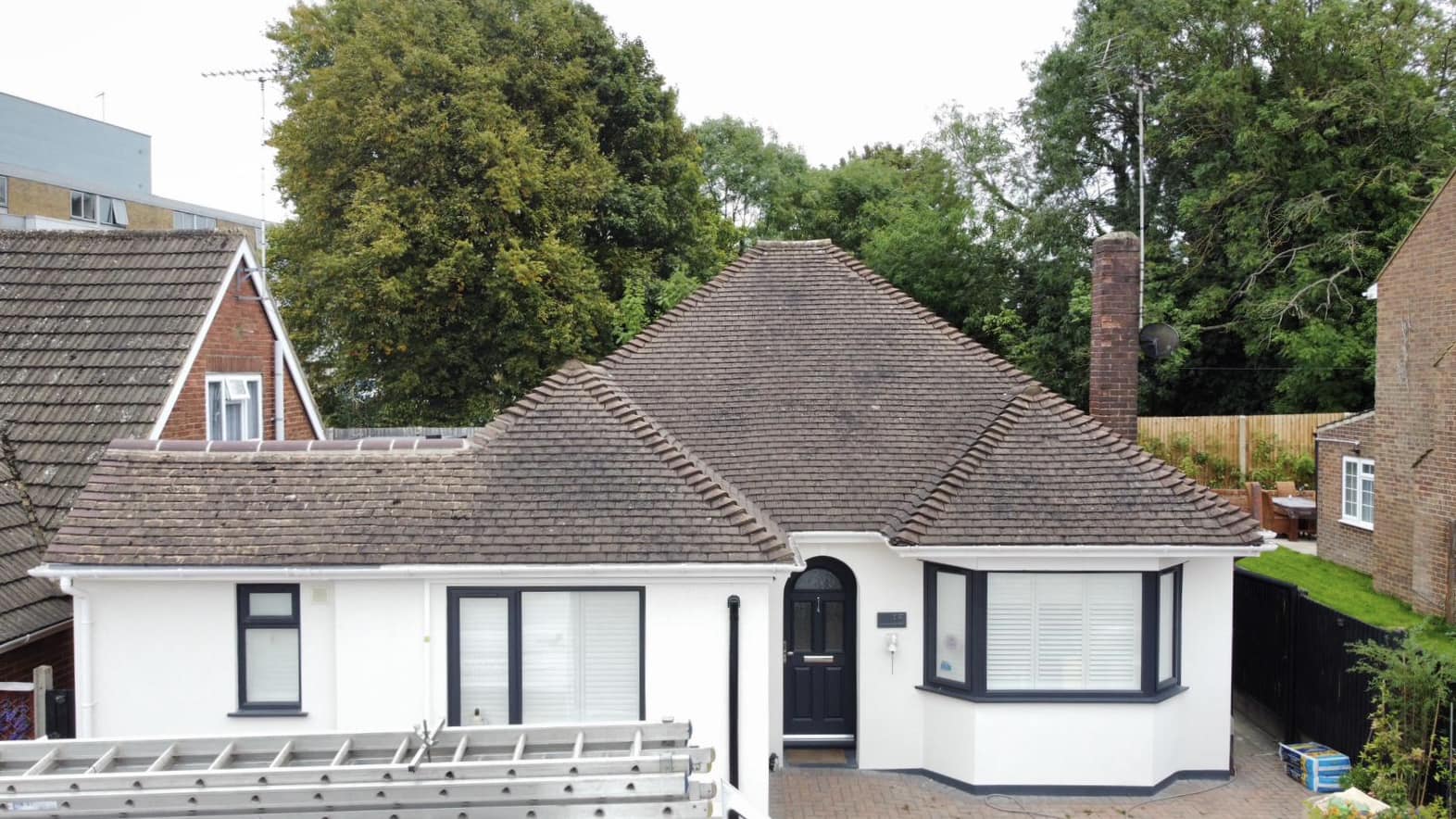
What’s the Difference Between Roof Moss Removal and Roof Cleaning?
Many UK homeowners use the terms roof cleaning and moss removal interchangeably, but they are not exactly the same service. While both help improve the appearance and condition of a roof, they focus on different problems and use different methods.
Because of the UK’s damp and rainy climate, roofs are highly exposed to moss, algae, lichen, dirt, and debris throughout the year. Without proper maintenance, these issues can reduce your roof’s lifespan and even cause costly structural damage.
In this blog, we’ll explain the difference between roof moss removal and roof cleaning, how each process works, and why professional roof maintenance is important for UK homes.
Why Roof Maintenance Is Important in the UK
The UK weather creates the perfect conditions for moss and algae growth. Frequent rainfall, moisture, and shaded areas allow moss to spread quickly across roof tiles.
Ignoring roof maintenance can lead to:
- Blocked gutters
- Water retention on roof tiles
- Cracked or damaged tiles
- Damp issues inside the property
- Reduced kerb appeal
- Expensive roof repairs
Regular maintenance helps keep roofs safe, clean, and long-lasting.
What Is Roof Moss Removal?
Roof moss removal specifically focuses on removing moss growth from roof tiles and surfaces. Moss is one of the most common roofing problems in the UK because it absorbs and holds moisture.
Over time, moss can lift roof tiles, weaken surfaces, and allow water to enter small gaps in the roof structure.
The Roof Moss Removal Process
Professional moss removal often includes:
- Manual scraping of moss
- Soft washing treatments
- Application of biocide solutions
- Gutter cleaning
- Moss prevention treatments
The goal is to safely remove thick moss buildup without damaging the roof tiles.
Benefits of Roof Moss Removal
- Prevents water damage
- Reduces blocked gutters
- Improves roof lifespan
- Stops moss regrowth
- Enhances property appearance
For homes surrounded by trees or located in damp areas, moss removal may be required more frequently.
What Is Roof Cleaning?
Roof cleaning is a broader service that focuses on cleaning the entire roof surface. It includes removing dirt, algae, stains, lichen, bird droppings, and general debris in addition to moss.
Roof cleaning improves the overall appearance of the property while helping maintain roof health.
Roof Cleaning Methods
Professional roof cleaning may involve:
- Soft washing
- Steam cleaning
- Low-pressure washing
- Biocide treatments
- Debris removal
The cleaning method depends on the roof type and condition.
Benefits of Roof Cleaning
- Restores roof appearance
- Removes stains and algae
- Improves kerb appeal
- Helps identify roof damage early
- Maintains roof hygiene
Roof cleaning is often recommended as part of regular home maintenance.
Roof Moss Removal vs Roof Cleaning – Key Differences
| Roof Moss Removal | Roof Cleaning |
| Focuses mainly on moss growth | Cleans the entire roof surface |
| Targets thick moss buildup | Removes dirt, algae, stains, and debris |
| Prevents moss-related damage | Improves overall roof appearance |
| Often includes moss prevention treatments | Includes multiple cleaning methods |
| Essential for damp UK climates | Suitable for general roof maintenance |
In simple terms, moss removal is a targeted treatment, while roof cleaning is a complete roof maintenance service.
Which Service Do You Need?
The right service depends on the condition of your roof.
You May Need Roof Moss Removal If:
- Thick moss is visible on tiles
- Gutters regularly become blocked
- Roof tiles stay damp for long periods
- Moss is growing between roof joints
You May Need Roof Cleaning If:
- The roof looks dirty or stained
- Algae and lichen are spreading
- You want to improve kerb appeal
- The roof has not been cleaned for years
In many cases, professional roof cleaning companies combine both services for the best results.
Why Professional Roof Services Matter
Attempting DIY roof cleaning can be risky and may damage roof tiles if incorrect methods are used. High roof pressure washing on delicate roofs can loosen tiles or remove protective coatings.
Professional roof cleaning specialists use safe techniques designed for different roofing materials.
Benefits of hiring professionals include:
- Safe working practices
- Proper roof inspection
- Specialist cleaning equipment
- Long-lasting treatments
- Reduced risk of damage
Experienced professionals can also identify early signs of roof problems before they become costly repairs.
The Importance of Soft Washing for UK Roofs
Many professional companies now prefer soft washing over aggressive pressure washing. Soft washing uses low-pressure cleaning combined with specialist solutions to remove moss, algae, and organic growth safely.
Soft washing is ideal for:
- Slate roofs
- Clay tiles
- Older roofs
- Delicate roof surfaces
This method provides effective cleaning while reducing the risk of tile damage.
How Often Should Roofs Be Cleaned in the UK?
Most UK homes benefit from roof maintenance every 2–5 years depending on location and surrounding conditions.
Homes near trees, wooded areas, or shaded environments may require more regular moss removal due to faster organic growth.
Signs your roof may need attention include:
- Green moss patches
- Black algae streaks
- Overflowing gutters
- Damp smells in loft spaces
- Visible staining on roof tiles
Regular inspections can help prevent larger roofing issues.
Final Thoughts
Although they are closely related, roof moss removal and roof cleaning are not exactly the same service. Moss removal specifically targets moss buildup and moisture-related problems, while roof cleaning focuses on restoring the overall cleanliness and appearance of the roof.
For UK homeowners, both services play an important role in protecting roofs from the effects of damp weather and long-term wear.
Investing in professional roof maintenance not only improves the appearance of your home but can also help extend the lifespan of your roof and prevent expensive repairs in the future.
Call Now