
When Should You Apply a Tile Roof Sealer After Roof Cleaning?
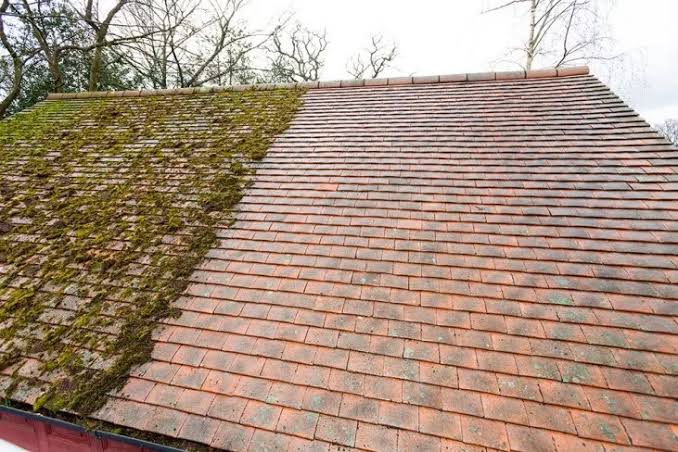
You have just had your roof cleaned. The moss is gone, the tiles look years younger, and you want to protect that result for as long as possible. Roof sealing is one of the best ways to do it, but the timing matters more than most people realise. Apply a sealer too soon and it can trap moisture, leave a cloudy finish and peel away. Wait too long and fresh dirt and spores can settle on the clean surface.
In this guide we explain exactly when a tile roof sealer should be applied after cleaning, the checks that need to happen first, how the seasons affect drying, and how we plan sealing work for homeowners across Hertfordshire, Bedfordshire, Buckinghamshire and North London.
The Quick Answer
A roof sealer should only be applied once the tiles are clean, treated, repaired where needed and completely dry right through, and when the forecast gives a settled spell of dry weather at a suitable temperature. In warm, dry conditions that can mean sealing a day or so after cleaning. In cooler, damper months it can take several days, and sometimes it is better to clean in winter and seal in spring. Sealing should never be applied to a roof that is still wet from cleaning.
What Does a Roof Sealer Actually Do?
A quality roof sealer soaks into the surface of porous tiles and forms a protective barrier. A good breathable sealer lets water vapour escape from inside the tile while reducing how much rainwater it absorbs. This helps in several ways:
- The roof dries faster after rain, giving moss and algae less chance to grow
- Tiles absorb less water, reducing the risk of frost damage in winter
- Dirt and organic debris find it harder to cling to the surface
- Faded concrete tiles can look fresher and more even, especially with a tinted coating
Some sealers are clear and keep the natural look of the tile, while others add colour, which is often described as roof tile painting or coating. Whichever finish you choose, the timing rules are the same.
Why Timing Matters So Much
Sealers are designed to bond with a clean, dry surface. When tiles still hold moisture from cleaning, a few problems can follow:
- Poor bonding. The sealer cannot soak in properly, so it sits on the surface and wears away quickly.
- Cloudy or milky finish. Trapped moisture can turn some sealers white or patchy as they cure.
- Peeling and flaking. Water trying to escape from the tile can push the sealer off over time.
- Trapped damp. Moisture locked inside the tile can make frost damage more likely.
In short, rushing the sealing stage can undo much of the good work done by the clean.
The Checklist Before Any Sealer Goes On
1. The roof must be completely clean
All moss, lichen, algae and loose debris need to be removed, and any cleaning residue rinsed away. Sealing over leftover growth or dirt traps it under the coating, where it can keep growing and spoil the finish.
2. The biocide needs time to work
A professional biocide treatment kills the spores left in the pores of the tiles. It should be applied as part of the clean and given the time recommended by the product before sealing goes on top.
3. The roof must be inspected and repaired
Cleaning often reveals problems that moss was hiding, such as cracked tiles, slipped tiles or loose ridge mortar. These should be put right by a roofer before sealing, because a sealer will not fix structural issues and should not be used to cover them up.
4. The tiles must be dry right through
A roof can look dry on the surface while the tiles are still damp inside, particularly on shaded slopes and under the overlaps between tiles. Sealing should only go ahead once the whole roof, including north facing slopes and valleys, has fully dried.
5. The weather window must be right
Most roof sealers need dry weather before, during and after application, and a temperature within the range the manufacturer sets. As a general guide, that usually means avoiding frost, heavy dew, rain in the forecast and very cold days. Strong winds are also avoided, as they can carry spray onto cars, windows and neighbouring properties.
6. The surroundings must be protected
Windows, conservatories, render, cars and plants are protected before sealing begins, so the coating only ends up where it is meant to be.
How Long Do Roof Tiles Take to Dry After Cleaning?
There is no single answer, because drying depends on the weather, the season, the tile type and how much shade the roof gets. Here is a realistic guide based on our experience.
| Conditions | Typical drying time before sealing |
Notes |
|---|---|---|
| Warm, dry and breezy summer weather | Often within a day | Sunny slopes dry fastest |
| Mild spring or early autumn weather | Often one to two dry days | Morning dew can slow things down |
| Cool, damp late autumn or winter weather | Several days or longer | Sealing may be better left until spring |
| North facing or heavily shaded slopes | Longer than the rest of the roof | Must be checked separately |
| Older, very porous concrete tiles | Longer than newer tiles | Hold more water after cleaning |
These are typical timescales rather than fixed rules. On every job, we check the tiles and the forecast before deciding when to seal.
What Is the Best Time of Year to Seal a Roof?
Late spring, summer and early autumn are usually the best times to seal a roof in the UK. Days are longer and warmer, tiles dry more quickly, and there are more spells of settled weather.
That does not mean roof cleaning has to wait for summer. Moss removal and cleaning can be carried out throughout the year, with short delays for heavy rain, frost or snow. If your roof is cleaned in the colder months, we may recommend coming back to seal it once the weather improves, rather than rushing the job in poor conditions.
Which Roofs Should Be Sealed?
Not every roof needs, or suits, a sealer. This is how we usually advise homeowners.
| Roof type | Is sealing usually recommended? | Why |
|---|---|---|
| Concrete tiles | Yes, in most cases | Porous and prone to wear, so they benefit the most |
| Clay tiles | Sometimes | Only with a suitable breathable product, depending on the tile and its condition |
| Natural slate | Usually not | Slate absorbs very little water, so sealing is rarely needed |
| Artificial or fibre cement slate | Specialist advice needed | Older types may contain asbestos and must be assessed first |
| Roofs with widespread damage | Not until repaired | Sealing cannot fix broken tiles or failing structure |
If we do not think sealing will benefit your roof, we will tell you honestly. You can read more on our roof sealing page.
Signs a Roof Was Sealed Too Soon or Incorrectly
- A milky, white or patchy haze across the tiles
- Areas where the coating is peeling or flaking off
- A tacky surface long after application
- Runs or drips on render, windows or fascias
- Moss returning quickly in patches where the sealer did not bond
If you notice any of these on a previously sealed roof, it is worth getting it assessed before applying anything further.
How Long Does Roof Sealing Last?
A properly applied sealer on a well prepared roof can protect the tiles for several years. How long exactly depends on the product, the condition of the tiles, how much shade and tree cover the roof has, and the weather it faces. Keeping gutters clear and having the roof checked every few years helps the protection last longer.
Our Gold roof package includes roof tile sealing and comes with a 5 year no moss regrowth guarantee, reflecting how much the combination of cleaning, biocide and sealing helps keep a roof cleaner for longer.
How We Clean and Seal Roofs at A&R
- Roof assessment. We check the tile type, condition and amount of growth, and talk you through your options.
- Moss removal and heated cleaning. We remove the bulk of the moss by hand and then use heated roof cleaning at 60°C with low pressure.
- Biocide treatment. A professional biocide is applied to kill remaining spores.
- Gutter clearance. Gutters are vacuumed and cleaned so the roof drains freely.
- Inspection and photos. We report anything we spot, such as cracked or slipped tiles.
- Drying and weather check. We confirm the tiles are fully dry and the forecast is settled.
- Roof tile sealing. We apply the sealer evenly across the whole roof, protecting the surroundings as we go.
Alan, Russell and the team are Smartseal trained and accredited, and we use Smartseal cleaners and sealers, which are designed for exactly this kind of work. You can compare all three roof options on our packages page.
Why You Should Not Seal Your Own Roof
Sealing a roof means working at height on a surface that may be slippery, using spray equipment and products that need careful handling. It is also easy to apply too much sealer, miss areas or seal tiles that are not fully dry. Professional application is safer and gives a more even, longer lasting result, and a reputable company will stand behind the work with a guarantee.
Frequently Asked Questions
Can roof sealer be applied on the same day as cleaning?
Not while the roof is still wet from cleaning. The tiles need to dry completely first. In very warm, dry weather this can happen quickly, but in most cases sealing takes place on a later day.
Can a roof be sealed in winter?
It is possible on some dry, mild days, but cold temperatures, frost and short days make it harder for tiles to dry and for sealer to cure. We often recommend cleaning in winter and sealing in spring.
Will sealing stop moss growing completely?
No treatment stops moss forever, but sealing combined with a thorough clean and biocide treatment slows regrowth considerably and helps the roof stay cleaner for longer.
Does roof sealing change the colour of the tiles?
Clear sealers keep the natural colour of the tiles, although they may deepen it slightly. Tinted coatings can restore a more even colour to faded concrete tiles. We will show you the options before we start.
Can an older roof be sealed?
Often, yes, as long as the tiles are sound. Older concrete tiles can benefit the most because their surface has worn and become more porous. Damaged tiles should be repaired or replaced first.
What happens if it rains after sealing?
Most sealers need a dry period after application to cure properly. That is why we check the forecast carefully and only seal when a settled spell is expected.
Protect Your Roof the Right Way
Roof sealing can add years of protection to a freshly cleaned roof, but only when it is applied at the right time, in the right conditions, on a properly prepared surface. Patience at this stage pays off with a finish that looks better and lasts longer.
Call 01582 757304 or request a free quote to talk to the A&R team about cleaning and sealing your roof. Finance is also available if you would like to spread the cost.
Call Now