
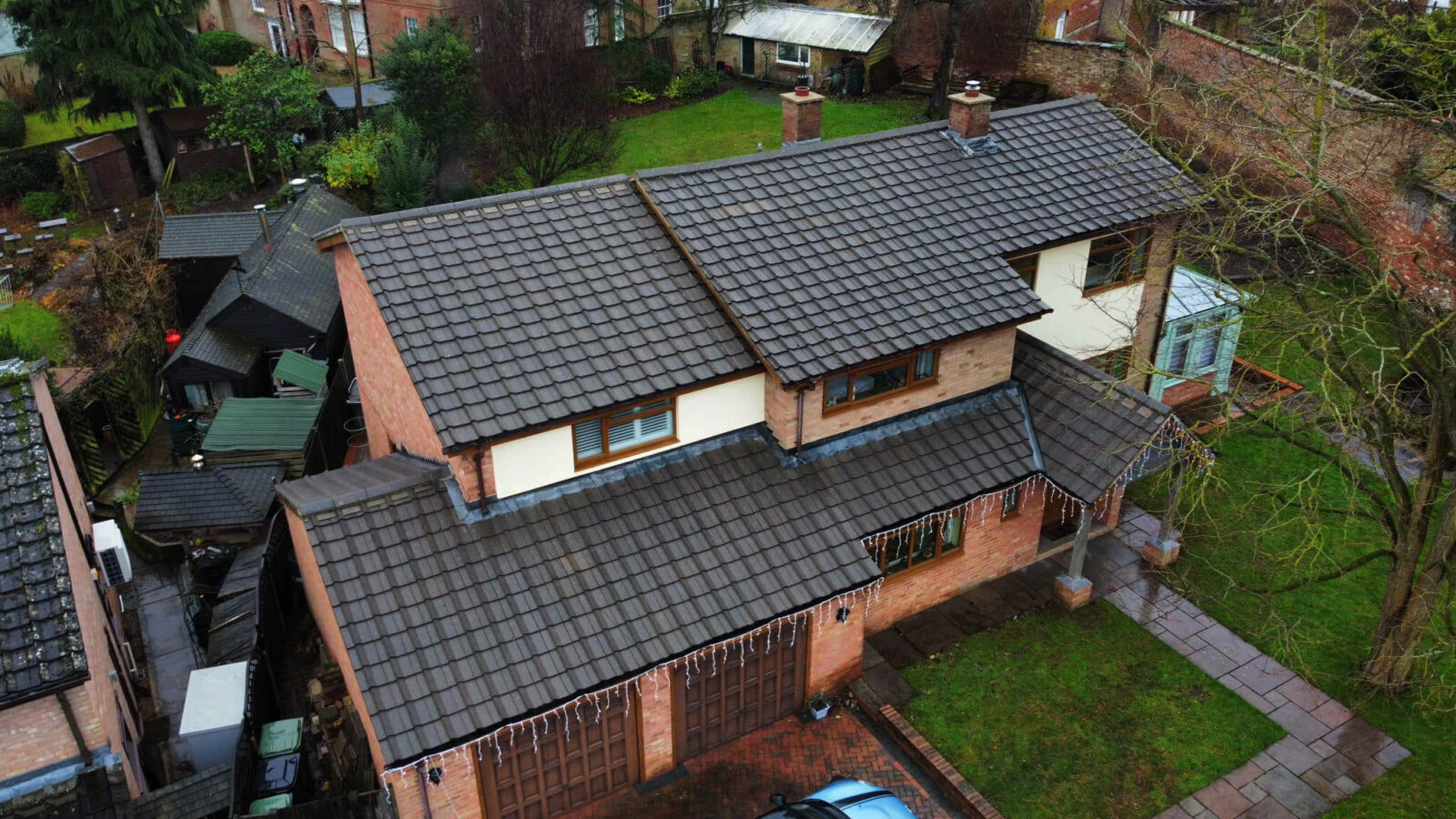
7 Warning Signs Your Roof Needs Professional Moss Removal
A little moss on a roof can look harmless, even charming on an old cottage. But moss is far more than a cosmetic issue. It acts like a sponge, holding water against your tiles, lifting their edges and spreading into gutters and downpipes. Left alone, it can lead to blocked drainage, damp and damaged tiles.
The UK climate is perfect for moss. Mild temperatures and regular rain mean it can grow for most of the year, especially on north facing and shaded roofs. In more than ten years of cleaning roofs across Hertfordshire, Bedfordshire, Buckinghamshire and North London, we have found that most homeowners call us later than they should. By the time moss is obvious from the street, it has often been growing for years.
Here are the seven warning signs that tell you it is time for professional roof moss removal.
Sign 1: Thick Cushions of Moss Visible from the Ground
If you can stand on the pavement and clearly see green or brown cushions of moss on your roof, it is time to act. Moss that is visible from the ground is usually well established, with roots growing between and beneath the tiles.
Why it matters: Thick moss holds large amounts of water. That moisture keeps tiles wet for long periods, which can lead to frost damage in winter as the water freezes and expands. The extra weight of wet moss also adds unnecessary load to the roof.
Sign 2: Clumps of Moss in Your Gutters, Garden or Driveway
Do you regularly find small clumps of moss on your driveway, patio, lawn or car? This is a clear sign that moss on your roof has dried out and is being blown or washed off.
Why it matters: Much of that falling moss ends up in your gutters. Over time it builds up into a thick, spongy blockage that stops water draining away. We cover the damage this can cause in our article on blocked gutters, and it is one of the most common problems we see.
Sign 3: Overflowing Gutters During Rain
Take a look at your gutters during heavy rain. If water is spilling over the edges instead of running into the downpipes, there is a good chance moss is the cause.
Why it matters: Overflowing water runs down your walls, causing staining, damp patches inside the house and frost damage to brickwork. It can also soak your fascias and soffits, leading to rot. Our gutter cleaning service clears the blockage, but removing the moss from the roof deals with the cause.
Sign 4: Tiles That Look Lifted, Uneven or Out of Line
Look along the rows of tiles on your roof. They should sit flat and in neat, even lines. If some tiles appear raised at the edges, tilted or out of position, moss may be growing underneath them.
Why it matters: As moss grows between the overlapping tiles, it pushes them apart. Lifted tiles allow wind driven rain to get underneath, where it can soak the roof underlay and timber. Left untreated, this is one of the most common routes to roof leaks.
Sign 5: Damp Patches, Musty Smells or Water Stains in the Loft
Pop your head into the loft on a dry day with a torch. Look for dark patches on the underside of the roof, damp or stained timbers, wet insulation or a musty smell.
Why it matters: Damp in the loft can have several causes, including condensation, but moss that has lifted tiles or blocked the eaves is a common contributor. Ongoing moisture can lead to rot in roof timbers, mould and damaged insulation, all of which are expensive to repair. If you find damp in your loft, it is worth getting your roof checked as soon as possible.
Sign 6: Green or Black Streaks and Spots Across the Tiles
Moss is often accompanied by algae and lichen. Algae shows up as green or black streaks, while lichen appears as crusty grey, yellow or black spots that cling tightly to the tile surface.
Why it matters: Algae and lichen are often the first stage of moss growth. They create a rough, damp surface where moss spores can take hold more easily. Lichen also bonds tightly to tiles and can roughen the surface over time. If your roof is streaked and spotted, moss is usually not far behind.
Sign 7: Moss Building Up on Ridges, Valleys and Around Chimneys
Moss loves the parts of a roof where water collects and moves slowly. Look closely at the ridge tiles along the top of the roof, the valleys where two roof slopes meet, and the area around chimneys, dormers and roof windows.
Why it matters: These are some of the most vulnerable areas of any roof. Moss along the ridge can hold water against the mortar bedding and contribute to cracking. Moss in valleys can slow the flow of water and cause it to back up under the tiles. Around chimneys, it can affect lead flashing and seals. We explain more about how moss damages roof bonds on our heated roof cleaning page.
Quick Roof Check: How Many Signs Can You See?
|
Warning sign |
Where to look |
What it usually means |
|
Thick moss visible from the ground |
Front and back roof slopes |
Established growth, roots between tiles |
|
Moss clumps on the ground |
Driveway, patio, lawn, car |
Moss drying and shedding into gutters |
|
Overflowing gutters |
Gutters during heavy rain |
Gutters or downpipes blocked with moss |
|
Lifted or uneven tiles |
Rows of tiles from the street |
Moss pushing tiles apart |
|
Damp or stains in the loft |
Underside of the roof, timbers, insulation |
Water getting in, possibly through lifted tiles |
|
Green or black streaks and spots |
Tile surfaces, especially shaded slopes |
Algae and lichen, early stage of moss growth |
|
Moss on ridges and valleys |
Top of the roof, roof junctions, chimneys |
Water held in the most vulnerable areas |
If you can tick two or more of these, it is a good time to book a professional assessment.
Why You Should Not Remove Roof Moss Yourself
Once you spot moss, it can be tempting to climb up with a scraper or hire a pressure washer. We strongly advise against this for several reasons.
- Safety. Falls from height are one of the leading causes of serious and fatal accidents in the UK, according to the Health and Safety Executive. Moss covered tiles are extremely slippery, especially when wet.
- Tile damage. Walking on tiles without the right technique and equipment can crack them, creating the very leaks you are trying to prevent.
- Pressure washing damage. High pressure jets can erode the surface of tiles, blow out ridge mortar and force water under the tiles into the roof space.
- Incomplete results. Scraping alone leaves moss roots and spores behind, so the moss grows back quickly. Our article on manual scraping vs chemical only treatment explains why the best results come from combining methods.
How Professional Moss Removal Works at A&R
We assess every roof before we start, so the method suits your tiles, the amount of moss and the access. Our three roof packages combine proven techniques:
- Bronze: non pressure roof cleaning with manual moss removal, softwashing and gutter vacuuming, plus a 3 year no moss regrowth guarantee
- Silver: heated roof cleaning at 60°C, biocide treatment, gutter vacuuming and gutter cleaning, plus a 3 year no moss regrowth guarantee
- Gold: everything in Silver plus roof tile sealing, with a 5 year no moss regrowth guarantee
Every job finishes with a full tidy up, and we provide before and after photos so you can see the results for yourself. You can compare the options on our packages page or read more about our roof moss removal service. If you are wondering about the price, our guide to roof moss removal costs explains what affects it, and finance is available if you would like to spread the cost.
Acting Early Saves Money
Moss removal is a maintenance job. Replacing slipped tiles, repairing rotten fascias, treating damp walls or fixing a leaking roof are repair jobs, and they usually cost far more. The earlier moss is removed, the less chance it has to cause damage, and the simpler the clean tends to be.
Frequently Asked Questions
Is a small amount of roof moss a problem?
A few small patches are not an emergency, but they show that conditions on your roof suit moss. Small patches spread quickly, especially on shaded slopes, so it is worth keeping an eye on them and acting before they grow.
What time of year is best for roof moss removal?
Moss removal can be carried out throughout the year. Work may be postponed for a day or two during heavy rain, frost or snow, but there is no need to wait for a particular season if your roof is showing warning signs.
Will moss come back after removal?
Moss can return over time, but a professional biocide treatment slows regrowth considerably. Our packages include a no moss regrowth guarantee of 3 or 5 years, depending on the package.
Why does one side of my roof have more moss than the other?
North facing and shaded slopes stay damp for longer, which suits moss. We explain this in our article on why north facing and shaded roofs get more moss.
How long does professional moss removal take?
Most homes are completed in a few hours to a day, depending on the size of the roof, the amount of moss and how easy the roof is to access.
Book Your Roof Moss Removal Today
If you have spotted any of these seven warning signs, the sooner you act the better. Alan, Russell and the A&R team are Smartseal trained, hold City & Guilds, Tetra and IPAF training, and are fully insured to work safely at height. We have more than 400 reviews across Google, Checkatrade, Which? Trusted Traders and Facebook from homeowners across Luton, Dunstable, St Albans, Harpenden, Watford, Hemel Hempstead, Milton Keynes, Aylesbury and the surrounding areas.
Call 01582 757304 or request a free quote today.
Call Now