
Manual Scraping vs Chemical-Only Treatment: Which Actually Works Better?
In ten years of climbing roofs across Hertfordshire, Bedfordshire, Buckinghamshire and North London, this is one of the questions we get asked more than almost any other. Two contractors, two completely different quotes, and both of them sound sure of themselves. Here’s the honest, no-sales-pitch comparison, based on the roofs we’ve actually worked on rather than a textbook and on the 400+ verified customer reviews that tell us when we’ve got it right and when we haven’t.
The Two Methods, in Plain English
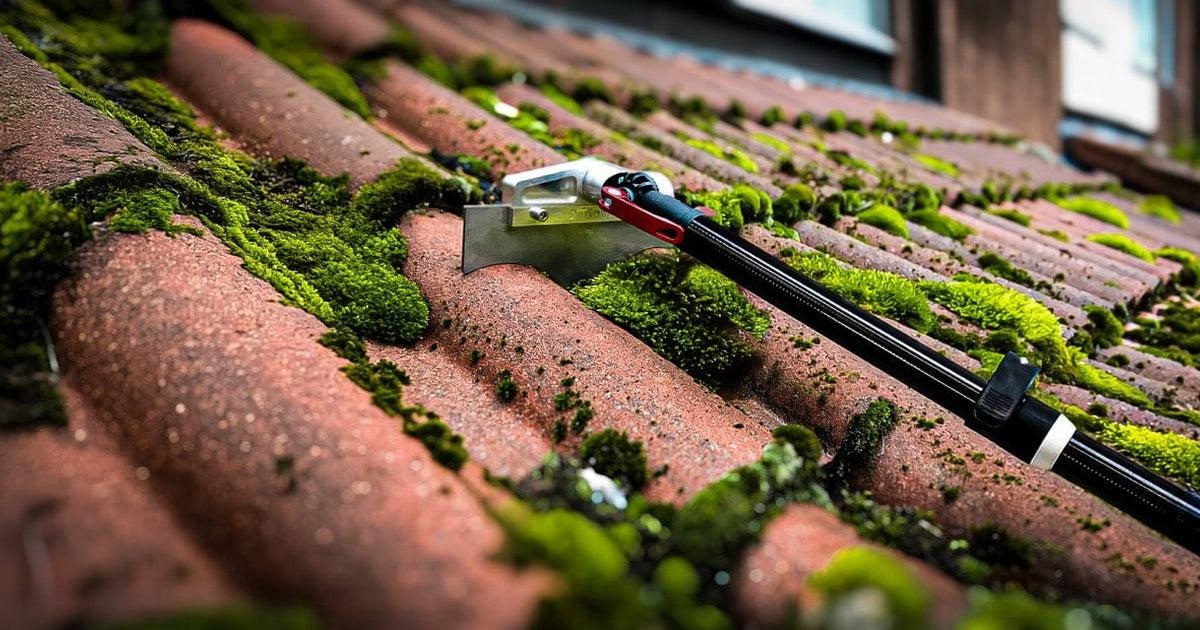
Manual scraping is exactly what it sounds like: someone gets up on the roof with a scraper or a stiff brush and physically lifts the moss off, tile by tile. Chemical-only treatment skips that step entirely, a biocide gets sprayed on, it kills the moss and spores where they sit, and the dead growth washes away naturally over the following weeks. Nobody goes up with a brush. That’s the whole appeal of it, and also, as you’ll see, its main limitation.
Speed: Which Gets You Results Faster
This one isn’t close. Scrape a roof and the moss is physically gone by the time the crew packs the van up. Go chemical-only and it can look like nothing’s happened for a week or two, sometimes a full season on a shaded roof, before the dead moss has properly washed off. If you’re selling up, hosting a family do, or you’ve simply had enough of looking at it, that timeline is worth knowing before you book rather than after.
Cost: Where the Price Gap Comes From
Chemical-only tends to be the cheaper route, for a simple reason: labour. Scraping every tile by hand takes hours; spraying a biocide doesn’t. As a rough guide, manual removal sits toward the top end of typical roof cleaning pricing, and chemical-only nearer the bottom, our roof moss cleaning cost guide breaks the actual figures down by method. Where it gets expensive is on a badly overgrown roof, chemical alone often can’t penetrate thick, established clumps, so you can end up paying for a treatment that half-works, then paying again the following year for the job that should have been done properly first time.
Tile Safety: The Argument Both Sides Get Wrong
A correctly diluted biocide, applied as directed, doesn’t harm sound tiles, that part of the chemical-only case holds up. And scraping isn’t inherently risky either; the real risk is a rushed job, or the wrong tool at the wrong angle. We’ve seen glazed tiles chipped and slate cracked over the years, but it’s always come down to technique, never the method itself. Older, brittle materials do tolerate a gentle scrape less well than newer concrete tiles, which is worth bearing in mind, our guide to moss removal by roofing material goes into this by tile type.
Longevity: The Part Most Homeowners Get Backwards
This is the one people get the wrong way round. Scraping clears what’s visible, but does nothing about the spores already sitting between the tiles, a scraped-only roof can look mossy again within a year, particularly on a shaded, north-facing slope. A biocide, on the other hand, keeps suppressing spore growth for months after the visible moss has gone, which is why our results typically hold for two to three years, sometimes longer, when it’s been applied properly.
What We Actually Recommend
After a decade doing this, here’s where we’ve landed: it’s rarely either/or. Scraping deals with what’s already there. Chemical treatment stops it coming straight back. Used together, scrape first, then treat, you get a roof that’s visibly clean on the day and stays that way for years, not months. It’s the reasoning behind our 3-year moss-free guarantee on combined jobs, and behind our roof softwashing and biocide roof moss treatment services.
When One Method Alone Is Genuinely Enough
That said, combining both isn’t always necessary, and we’d rather tell you that than upsell a job you don’t need:
- Light surface algae with no established clumps, a chemical wash alone does the job, for less money.
- Fragile older slate or listed buildings, a gentler, chemical-first approach is often preferred over scraping.
- Thick, established moss clumps, scraping first is the only way to get a properly clean result on the day.
- Selling soon or hosting an event, scraping gets you a finished-looking roof immediately, rather than in a month’s time.
A Job That Changed How We Quote This
A semi-detached in Aylesbury had gone chemical-only two years running with a different company, and the thick moss on its north slope simply hadn’t shifted, the treatment couldn’t get through it. We scraped it back to bare tile in a morning, then applied the biocide, and the difference was visible from the street by lunchtime. That job is a big part of why we stopped quoting either method in isolation for anything beyond light surface growth.
Questions We Get Asked on the Doorstep
“Will scraping shorten my roof’s life?” Not if it’s done properly, a trained scrape doesn’t touch the tile surface underneath. “Can I just have the cheaper chemical option?” Yes, and we’ll say so honestly if your roof’s too far gone for that to work well on its own. “How do I know which one mine needs?” Fairly, a look from the ground rarely tells the full story, which is why we always inspect before quoting rather than pricing blind over the phone.
Which One Should You Book?
- Seeing green dust rather than raised clumps? Chemical-only is most likely enough.
- Seeing moss you could actually grip with your fingers? You need scraping first, chemical after.
- Not sure which you’re looking at? That’s normal from ground level, get it looked at properly before paying for either.
The Comparison at a Glance
| Factor | Manual Scraping | Chemical-Only Treatment |
|---|---|---|
| Speed to visible result | Same day | Weeks to a full season |
| Typical cost | Higher (labour-intensive) | Lower (product + application time) |
| Risk to tiles | Depends entirely on operator skill | Low, if diluted and applied correctly |
| Best for | Thick, established moss clumps | Light algae, fragile or listed roofs |
| Longevity alone | Regrowth possible within a year | Slows regrowth, doesn’t clear existing buildup |
| Our recommendation | Combine both for most jobs | Combine both for most jobs |
Related Reading
For a broader look at cleaning methods, see our earlier post on roof cleaning techniques, and for pricing by method, our roof cleaning cost guide. If you’re weighing up doing it yourself first, see DIY vs professional roof cleaning.
Call Now