
How Moss, Algae, and Lichen Can Damage Your Roof
Your roof is one of the most exposed parts of your home, and in the UK’s damp, temperate climate it faces constant pressure from three unwelcome guests: moss, algae and lichen. Left untreated, these growths don’t just look unsightly they actively shorten a roof’s working life. The UK national average cost to fully replace a roof now sits around £8,000, with typical projects running £4,000–£19,000 depending on materials and access. A significant share of premature replacements begin with biological growth that was never professionally treated.
This guide explains how moss, algae and lichen damage roofing materials, why lichen removal from roof tiles is a specialist job rather than a DIY weekend project.
Why Professional Roof Cleaning Services Are Essential
Regular maintenance including targeted lichen moss removal is one of the cheapest forms of roof insurance available. Cleaning a lightly affected roof typically costs a fraction of what’s needed once growth has bonded to the tiles and started retaining water against the surface. The table further down this page sets out how costs escalate at each stage of neglect.
1. Moss: The Silent Destroyer
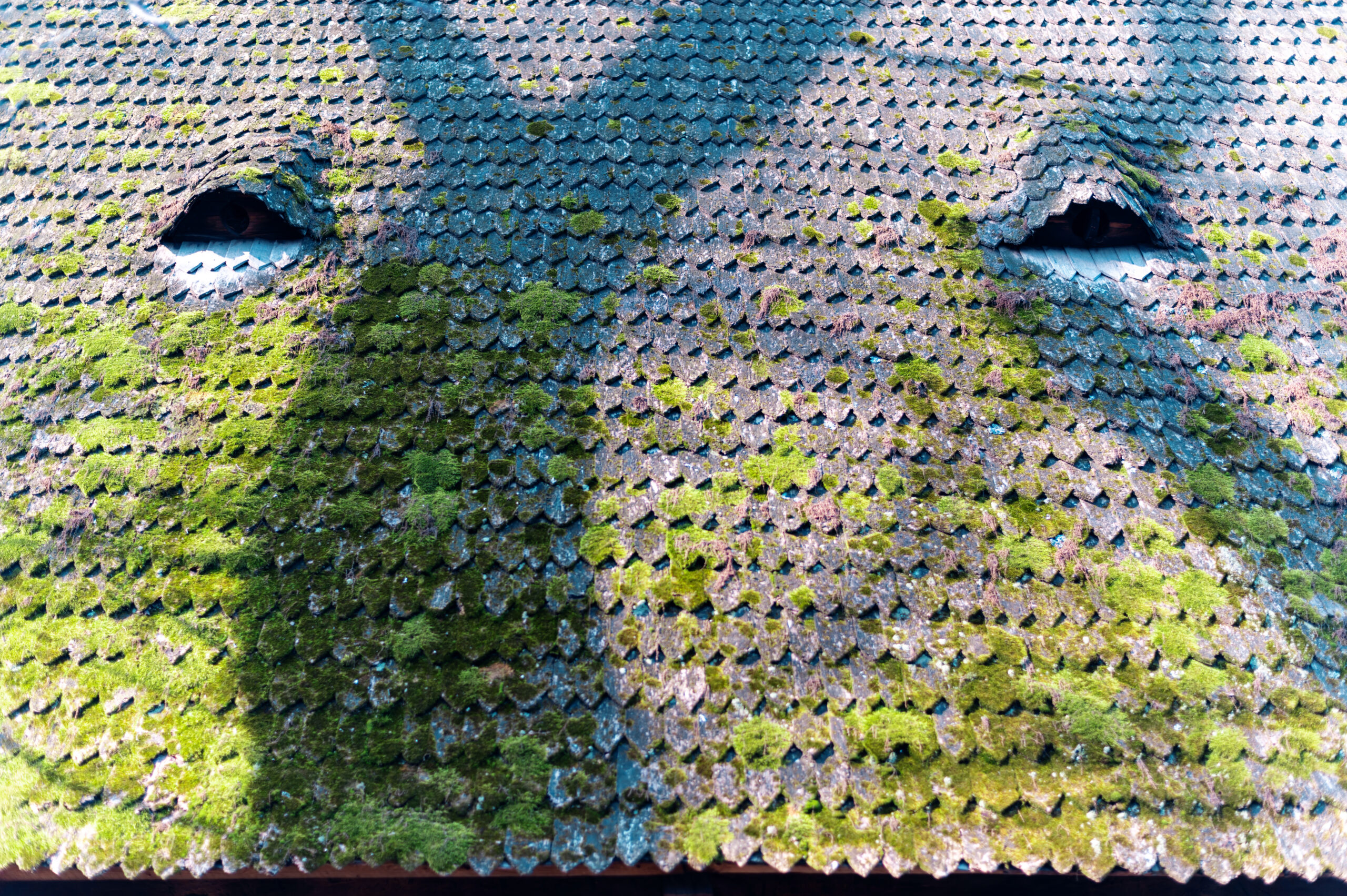
Moss thrives in damp, shaded areas and spreads quickly across roof tiles, particularly on north-facing slopes and low-pitched roofs that receive less direct sun. While it may look harmless, moss retains moisture against the tile surface, creating the conditions for tile deterioration over time.
- Traps moisture moss absorbs and holds water, keeping tiles damp for extended periods and encouraging rot in timber structures underneath.
- Causes tile lifting as moss grows, it expands and lifts tile edges, letting water seep beneath and increasing the risk of leaks and interior damage.
- Encourages frost damage trapped moisture freezes and expands in winter, cracking tiles through repeated freeze-thaw cycles.
Because mosses have a relatively shallow root system, well-maintained concrete and clay tiles usually resist structural harm early on but the water retention problem compounds every winter the moss is left in place. Investing in heated roof cleaning removes moss before it reaches that tipping point, keeping the roof structurally sound.
2. Algae: The Cause of Unsightly Streaks
Algae typically appears as dark streaks or greenish staining on roof surfaces. It’s less structurally destructive than moss or lichen, but it isn’t harmless:
- Reduces roof lifespan algae feeds on limestone fillers in some roof tiles, slowly degrading their structural integrity.
- Affects kerb appeal algae staining makes a roof look prematurely aged, which can affect a property’s perceived value.
- Retains heat a heat-trapping algae layer can raise indoor temperatures in summer and push up energy costs.
A professional roof sealing service applies a protective barrier that reduces moisture absorption, which is the main factor that allows algae to establish and spread in the first place.
3. Lichen: The Toughest Roof Invader
Lichen is a composite organism a symbiotic partnership between fungus and algae that forms crusty, tightly bonded patches on roofing materials. It’s the most stubborn of the three growths and the one homeowners most often ask about by name, because lichen removal from roof tiles usually can’t be achieved with a hose and a scrubbing brush.
- Roots deep into surfaces lichen anchors itself with root-like structures (rhizines) that penetrate porous tiles, particularly concrete and clay, weakening them from within.
- Causes permanent discolouration even after removal, lichen can leave lasting staining on tile surfaces.
- Accelerates tile breakdown growing in cracks and crevices, lichen worsens existing damage and increases the risk of leaks.
- Blocks UV reflection a heavy lichen layer reduces a roof’s ability to reflect UV light, which speeds up material fatigue over time.
Just how firmly lichen can grip roofing material is well documented outside the trade, too: heritage conservation researchers studying lichen on ceramic roof tiles have found colonies so tightly bonded to the surface that specialist laser-and-biocide treatments were needed to remove them without damaging the tile underneath the same principle that makes DIY lichen removal from roof tiles risky on an ordinary domestic roof.
Why Lichen Removal From Roof Tiles Needs a Different Approach Than Moss
Moss sits mostly on the surface and can often be lifted with careful low-pressure washing. Lichen behaves differently it bonds chemically and physically into the tile itself. Pressure washing lichen off is one of the most common causes of avoidable roof damage: the growth doesn’t lift cleanly, so the temptation is to increase pressure, which strips the weatherproof surface layer from concrete tiles, forces water beneath laps, and can dislodge fragile or aged tiles altogether.
That’s why professional lichen moss removal typically uses roof softwashing rather than high-pressure jet washing: a controlled biocide treatment loosens the biological bond first, so the lichen can be safely removed without stripping the tile’s protective layer. A sealing treatment afterwards then slows regrowth by reducing the moisture retention lichen needs to re-establish.
“For more insight into how this treatment works, including how it targets hidden spores, how long results take to show, and how safe it is for different tile types – read our blog on Biocide Roof Moss Treatment Explained: Benefits, Safety & Results.”
How Professional Lichen Moss Removal Works
A properly run job follows a consistent process, regardless of how established the growth is:
- Roof survey checking tile material, pitch, condition and the extent of moss, algae or lichen coverage before choosing a method.
- Method selection softwashing for lichen and established growth; heated or low-pressure washing for lighter moss and algae, depending on tile type.
- Biocide application a controlled treatment that kills and loosens the biological bond at the root, rather than relying on force.
- Careful removal and rinse growth is cleared without stripping the tile’s protective granule or glaze layer.
- Sealing a protective barrier is applied to reduce future moisture retention and slow regrowth.
This sequence protects the tile surface throughout, which matters because roofing materials that lose their protective layer age faster and become more vulnerable to the next round of moss or lichen colonisation.
Protect Your Roof With Professional Cleaning & Sealing
Don’t wait until moss, algae or lichen cause expensive damage to your home. Regular maintenance including professional roof cleaning and roof sealing keeps a roof strong, weatherproof and looking its best for years longer than an untreated one.
Protect Your Roof With Expert Lichen Moss Removal
Don’t wait until moss, algae or lichen cause expensive tile and timber damage. A&R Roof & Hard Surface Cleaning & Restoration provides professional roof cleaning and sealing across UK. Request a quote online today.
Call Now