
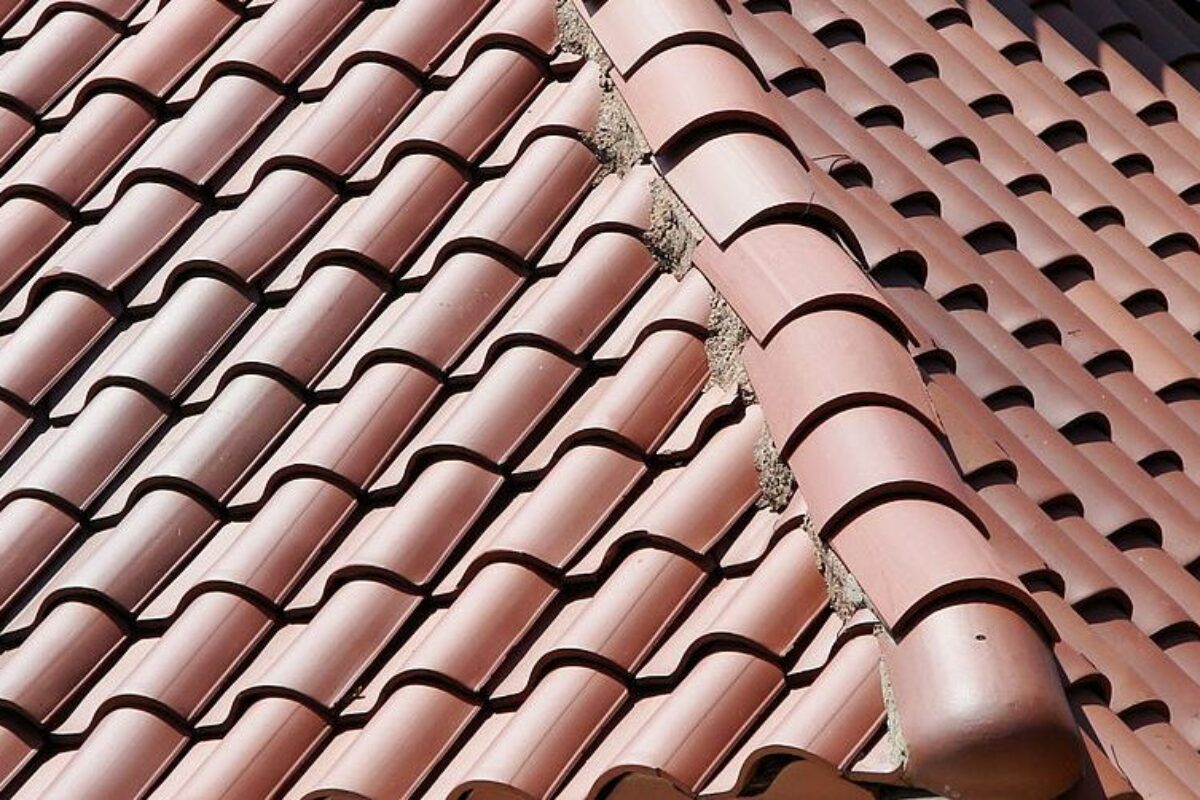
Clay vs. Concrete Roof Tiles: Do They Need Different Cleaning Methods?
If you’ve noticed moss, algae, or black streaking building up on your roof, the tile material underneath makes a real difference to how it should be treated. Clay and concrete are the two most common roof tile types on UK homes, and while they can look similar from the ground, they behave very differently when it comes to roof cleaning. Choosing the wrong method, or hiring a contractor who treats every roof the same way, can shorten the life of your tiles and, in some cases, invalidate any manufacturer warranty still in place.In this guide, we’ll walk through how clay and concrete roof tiles differ, why that affects the safest roof tile cleaning approach for each, and what to check before booking a professional roof cleaning service in the UK.
Clay vs. Concrete Roof Tiles: A Quick Comparison
Before deciding on a cleaning method, it helps to understand what you’re actually working with. The table below summarises the key differences homeowners should know.
| Factor | Clay Roof Tiles | Concrete Roof Tiles |
| Surface porosity | Low to moderate (glazed or unglazed) | High and porous |
| Moss & algae growth | Slower, but common on unglazed clay | Faster due to porous, alkaline surface |
| Weight per m² | Lighter | Heavier |
| Typical lifespan | 60–100 years | 30–50 years |
| Risk from pressure washing | High – can crack glaze and shorten lifespan | High – can strip surface coating and erode granules |
| Recommended method | Soft washing with biocide treatment | Soft washing with biocide treatment, longer dwell time |
Understanding Clay Roof Tiles and Their Cleaning Needs
Clay tiles are fired at high temperatures, which gives them a dense, relatively low-porosity surface. Many are also glazed, adding a further protective layer. This makes clay naturally more resistant to water absorption than concrete, but it doesn’t mean clay tiles are maintenance-free.
Why Clay Tiles Attract Moss and Algae
Unglazed clay tiles, and glazed tiles where the coating has worn thin over decades of weathering, still have enough surface texture for spores to settle into. North-facing roof slopes, areas shaded by overhanging trees, and roofs with poor guttering tend to stay damp for longer, giving moss and algae the conditions they need to establish themselves.
Safe Cleaning Methods for Clay Tiles
Clay’s fired surface can crack or chip under concentrated pressure, so we always recommend soft washing over pressure washing on clay roofs. Soft washing uses a low-pressure application of a biocide treatment to kill moss, lichen, and algae at the root, followed by a gentle rinse. Because the biocide continues working after application, most of the dead growth naturally washes away in the following rainfall rather than being blasted off immediately.
Why We Avoid Pressure Washing on Clay
High-pressure jetting can force water beneath the tile’s glaze or fired surface, leading to hairline cracks that aren’t visible until a leak develops months later. It can also strip the natural patina that gives older clay roofs their character.
Understanding Concrete Roof Tiles and Their Cleaning Needs
Concrete roof tiles are more porous than clay by nature. That porosity gives concrete good breathability, but it also means the surface absorbs and holds moisture more readily, creating an environment where moss, lichen, and algae spread faster and more visibly.
Concrete’s Porous Surface and Moss Growth
Because concrete is alkaline and slightly rougher in texture than fired clay, spores find it easier to grip and establish a root system. This is why concrete roofs in the UK often show heavier, faster-spreading moss coverage than a clay roof of the same age in the same location.
Safe Cleaning Methods for Concrete Tiles
Concrete also responds well to soft washing, though we typically allow a longer biocide dwell time to penetrate the more porous surface fully. As with clay, pressure washing is best avoided. Concrete tiles often carry a factory-applied coloured coating, and high-pressure water can strip this away, leaving patchy, faded patches that are difficult to correct and that expose the tile’s aggregate to faster future weathering.
Why Pressure Washing Is Not Recommended for Either Tile Type
It’s a common misconception that pressure washing is the fastest way to a clean roof. In reality, for both clay and concrete tiles, high-pressure equipment tends to cause more long-term damage than it solves in short-term appearance:
- Forces water beneath tiles and through fixings, increasing the risk of leaks
- Dislodges the interlocking seal between tiles, particularly on older roofs
- Strips protective coatings and glazes, accelerating future moss regrowth
- Can void tile manufacturer warranties, many of which specify approved cleaning methods
A qualified roof cleaning contractor should be able to explain, before starting work, why they’ve chosen a soft washing and biocide-based approach over pressure equipment.
How Often Should UK Homeowners Clean Their Roof Tiles?
The UK’s damp climate means moss and algae regrowth is an ongoing consideration rather than a one-off job. As a general guide:
- Roofs in shaded, tree-covered, or north-facing positions: inspect annually, clean every 2–3 years
- Roofs in open, well-ventilated positions: inspect every 1–2 years, clean every 3–5 years
- Any roof showing visible moss clumps or green staining: book an inspection before the next wet season
For a full breakdown of what affects pricing, including roof size, tile type, and access, our roof cleaning cost guide covers typical costs for UK homes in more detail.
Choosing a Professional Roof Cleaning Service
Whether your home has clay or concrete tiles, the safest approach is to have the roof assessed by a qualified professional before any cleaning method is applied. For a broader look at moss, algae, and full roof restoration options, see our complete UK homeowner’s guide to roof cleaning and restoration. Look for a contractor who can demonstrate:
- Smartseal accreditation or equivalent industry certification
- City & Guilds qualified technicians for surface treatment
- IPAF certification for safe working at height
- A clear explanation of why soft washing, rather than pressure washing, is being used
- A written quote that identifies your specific tile type before work begins
Getting this right protects both the appearance of your roof and its structural lifespan, a concrete or clay roof cleaned the correct way can look refreshed for several years without needing aggressive re-treatment.
Not Sure Which Cleaning Method Your Roof Needs?
A&R Roof & Hard Surface Cleaning & Restoration provides free, no-obligation roof surveys across the UK, identifying your tile type and the safest cleaning method before any work begins.